Enzyme Supplier for Gelatin Processing
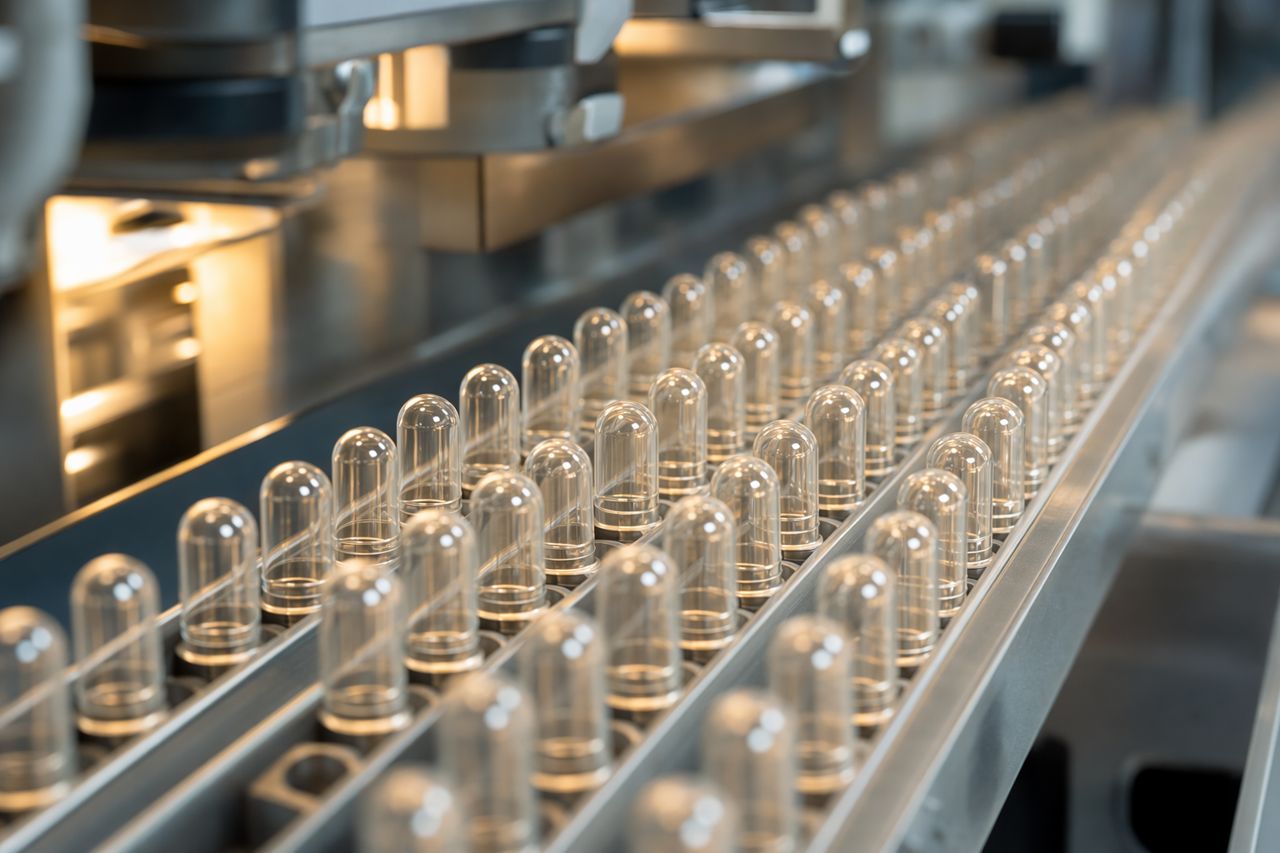
Gelatin capsule production depends on predictable gelatin behavior: clean hydration, controlled viscosity, stable bloom targets, low foaming tendency, and capsule shells that form, dry, trim, and join without surprises.
BloomPilot supports gelatin capsule manufacturers with enzyme solutions for gelatin processing, including practical guidance around hydrolysis strategy, protease selection, and batch-to-batch control. We help production teams evaluate what enzyme modification should do in the plant, not just what it is called on a specification sheet.
Enzyme support for controlled gelatin modification
For capsule manufacturers, enzyme use is rarely about aggressive breakdown. It is usually about controlled adjustment:
- Reducing viscosity drift during preparation and holding
- Improving gelatin flow behavior before dipping or forming
- Supporting repeatable bloom and gel-setting performance
- Managing process variability between gelatin lots
- Reducing rework caused by inconsistent shell behavior
- Aligning enzyme treatment with downstream drying, trimming, and joining conditions
BloomPilot works with your processing targets, gelatin grade, temperature window, pH environment, hold time, and quality requirements to recommend a practical enzyme approach.
Broad protease, pepsin-driven, or papain-based: what changes in practice?
Different enzyme concepts can create very different plant outcomes. The best choice depends on the degree of modification required and the process window available.
Broad protease use
Broad protease systems are often evaluated when a manufacturer needs general protein modification across a wider processing window. They may help reduce viscosity or improve handling, but they also require close process control to avoid over-modification.
Best suited for:
- General gelatin hydrolysis studies
- Viscosity adjustment trials
- Processes where the plant can tightly control time and temperature
- Applications where shell performance is verified against production conditions
Production consideration: broad protease use should be validated with capsule-shell trials, not judged only by liquid-phase behavior.
Pepsin-driven hydrolysis concepts
Pepsin-driven approaches are commonly associated with acidic processing concepts and targeted gelatin breakdown. They can be useful when a manufacturer is exploring a defined hydrolysis pathway, but they may shift gelatin behavior quickly if the process is not controlled.
Best suited for:
- Acid-side gelatin modification concepts
- Development work where molecular size reduction is intentional
- Processes with defined hold times and fast stop points
- Situations where bloom reduction is acceptable or desired
Production consideration: pepsin-driven hydrolysis can be too aggressive for some capsule-shell targets unless the treatment window is well bounded.
Papain-based modification
Papain-based systems are often considered for controlled gelatin modification where the goal is practical handling improvement rather than severe breakdown. For capsule manufacturers, this can support viscosity control, flow uniformity, and repeatable shell formation when paired with the right process conditions.
Best suited for:
- Moderate gelatin modification
- Capsule-shell process tuning
- Viscosity stabilization projects
- Batch repeatability programs
- Plants seeking a balanced enzyme option before moving to stronger hydrolysis routes
Production consideration: papain-based modification should be assessed against shell strength, drying behavior, and joining reliability.
What BloomPilot helps you control
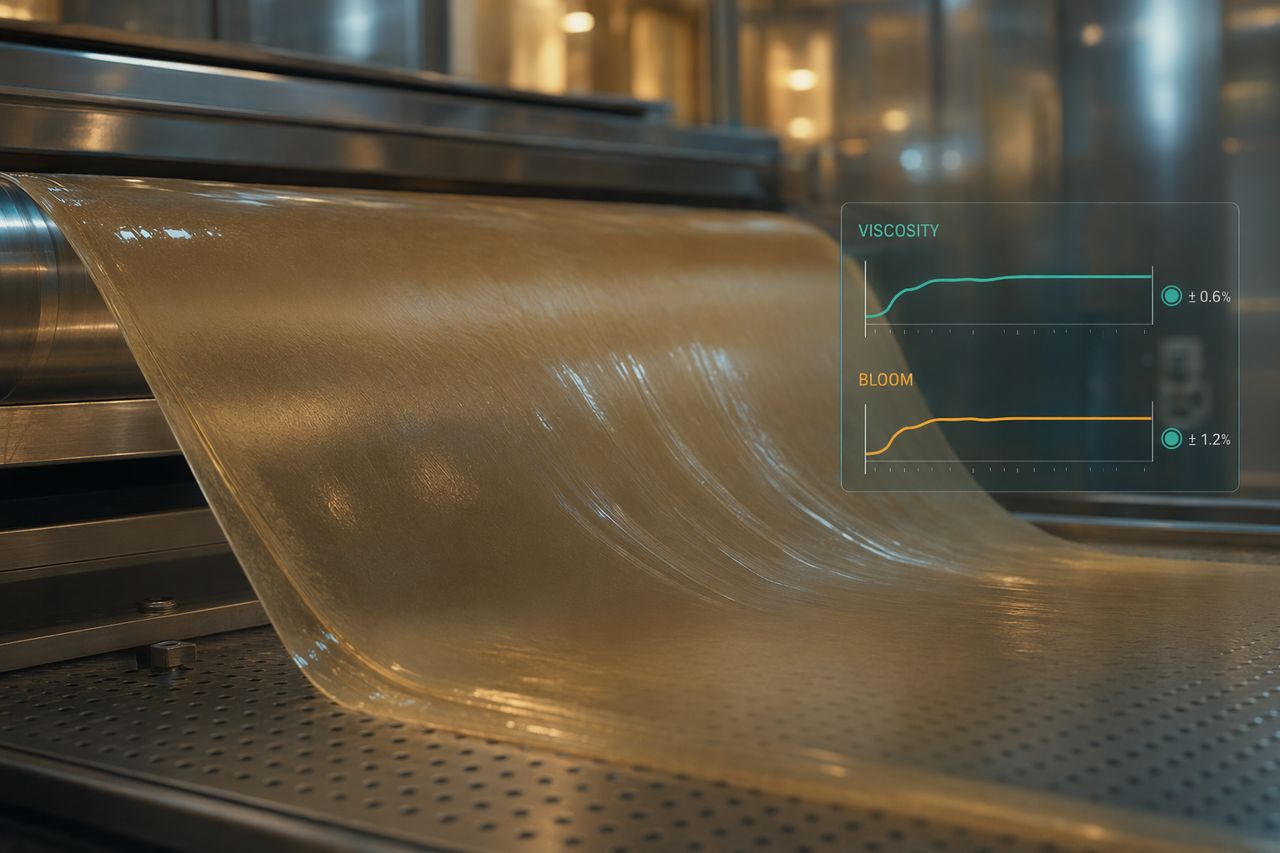
Viscosity and flow behavior
Gelatin viscosity affects transfer, holding, dipping, filling of reservoirs, and coating uniformity. Enzyme selection should support a stable process window rather than create a short-lived improvement that collapses later in the batch.
Bloom and gel strength consistency
Capsule-shell quality depends on the balance between modification and structure retention. BloomPilot helps define enzyme treatment boundaries so the gelatin remains compatible with shell formation and downstream performance.
Capsule-shell appearance
Poorly controlled hydrolysis can show up as weak shells, surface irregularity, brittle behavior, poor joining, or inconsistent drying. We focus on enzyme recommendations that respect finished shell requirements.
Batch repeatability
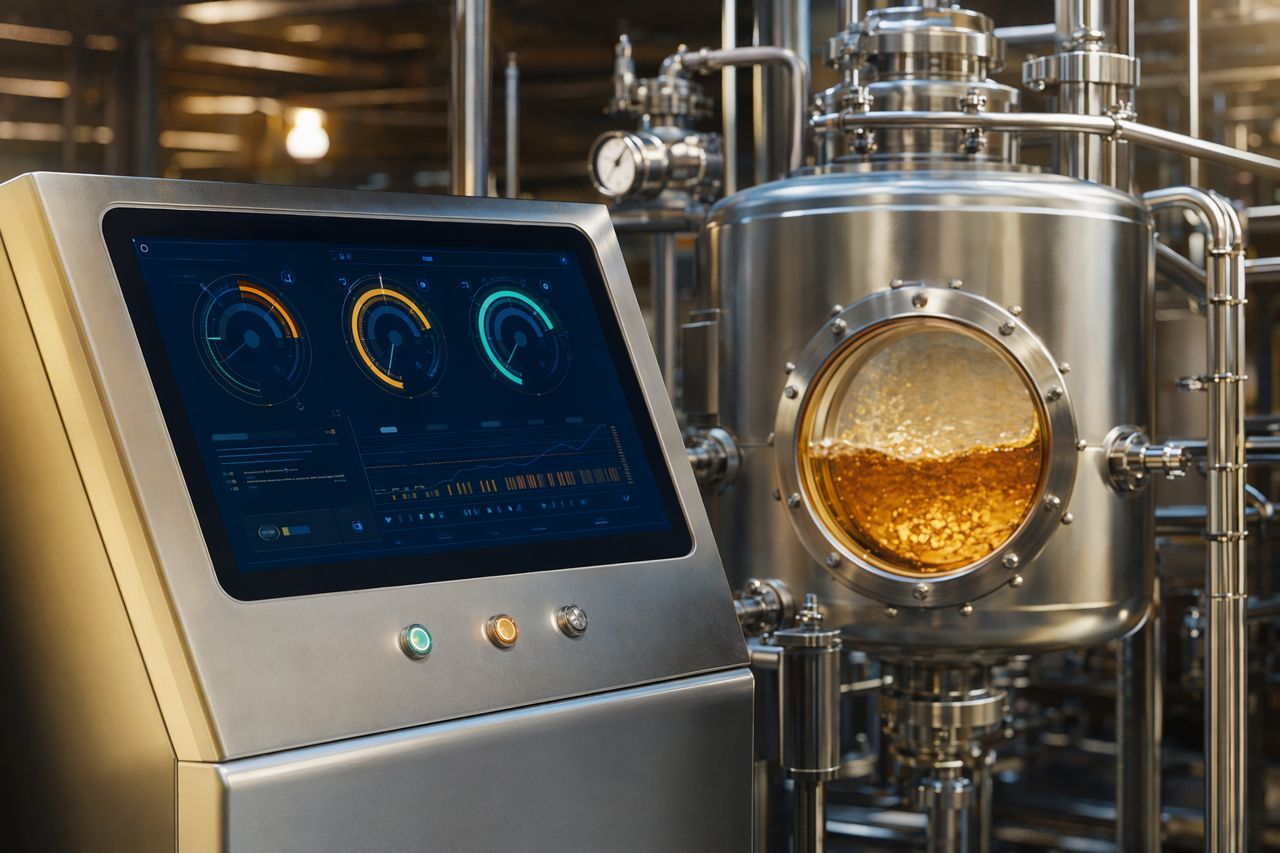
The right enzyme program should make the line easier to run. That means repeatable addition timing, clear hold guidance, compatible stop conditions, and documentation your production and quality teams can use.
One-minute explainer: enzyme choice for gelatin capsule production
Supplier support built for production teams
BloomPilot is structured for B2B buyers who need more than a product name. We support the evaluation path from technical fit to quote request:
- Application review for gelatin processing goals
- Enzyme option comparison for broad protease, pepsin-driven, and papain-based concepts
- Trial planning for plant-relevant conditions
- Guidance on process timing, addition point, and treatment boundaries
- Documentation support for purchasing and quality review
- Practical scale-up discussion before commercial ordering
Typical use cases
BloomPilot enzyme solutions may be evaluated for:
- Gelatin hydrolysis for capsule-shell process adjustment
- Viscosity control in gelatin preparation
- Improved batch-to-batch handling consistency
- Process correction for difficult gelatin lots
- Controlled gelatin modification before capsule forming
- Technical comparison of protease options for production trials
What we need to quote accurately
To recommend the right enzyme approach, share the practical process details your team already tracks:
- Gelatin source and grade
- Current viscosity or handling challenge
- Target capsule format and shell requirements
- Processing temperature and pH range
- Typical hydration and holding times
- Current quality issue, if any
- Desired commercial pack size or trial quantity
- Any site-specific documentation requirements
Request a quote
If you are evaluating an enzyme supplier for gelatin processing, BloomPilot can help you compare the right modification route and prepare a production-minded quotation.
Request a quote using the on-site form
BloomPilot will review your process target, recommend a suitable enzyme direction, and respond with quote details for your purchasing and technical teams.